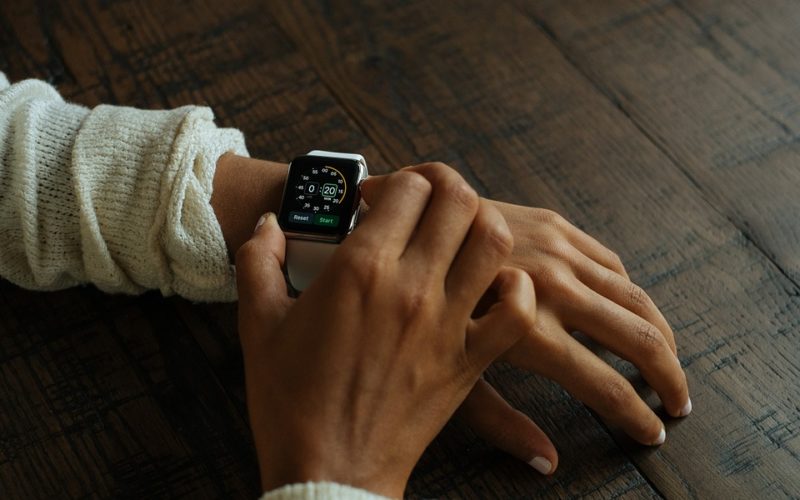
Technology has transformed nearly every aspect of modern life, and health and fitness are no exception. From smartwatches that track your heart rate to apps that personalise your nutrition plan, digital tools are making it easier than ever to take control of your wellbeing. The question is no longer whether technology belongs in health and fitness — it's how best to use it.
Your health on your wrist
Wearable devices have become one of the most popular health tools of the past decade. Fitness trackers and smartwatches monitor everything from daily step counts and sleep quality to blood oxygen levels and stress indicators. This constant stream of data helps users spot patterns they might otherwise miss — like consistently poor sleep before a stressful workweek or a drop in activity during winter months. Armed with that insight, making meaningful lifestyle adjustments becomes far more achievable.
Personalised fitness at your fingertips
Gone are the days when a one-size-fits-all gym programme was the only option. Today's fitness apps use data from your workouts, goals, and even recovery time to build programmes tailored specifically to you. Platforms like Strava, MyFitnessPal, and Nike Training Club adapt to your progress, keeping routines fresh and goals within reach. For those who prefer working with a professional, many personal trainers now offer hybrid services — combining in-person sessions with app-based tracking between visits.
Mental health gets a digital boost
Physical fitness is only one piece of the puzzle. Mental wellbeing has also benefited enormously from technological advances. Meditation apps such as Headspace and Calm have introduced mindfulness to millions of people who may never have tried it otherwise. Meanwhile, teletherapy platforms have made professional mental health support more accessible, removing barriers like cost, location, and stigma. Looking after your mind has never been more convenient.
Smart nutrition: eating better with data
Understanding what you eat is one of the most powerful things you can do for your health. Nutrition-tracking apps make it simple to log meals, monitor macronutrients, and identify gaps in your diet. Some platforms go a step further, using AI to suggest meal plans based on your health goals, dietary restrictions, and even genetic data. While no app can replace the advice of a qualified dietitian, these tools offer a useful starting point for building healthier eating habits.
The role of community and accountability
One of the most underrated benefits of health technology is its ability to connect people. Online fitness communities, virtual challenges, and social features within apps create a sense of accountability that can be genuinely motivating. Knowing that a friend can see your weekly run stats — or that you're competing in a step challenge — often provides just the push needed to lace up your trainers on a grey Tuesday morning.
Getting the most from health technology
Technology works best as a complement to healthy habits, not a replacement for them. The most effective approach is to start small — choose one or two tools that address your biggest health goals, learn to use them consistently, and build from there. Over time, the data you collect becomes a valuable record of your progress, helping you make smarter decisions about your health for years to come. The tools are there; it's simply a matter of putting them to work.